Built for scale.
Principal Product Designer at Olo. Owned design and front-end for 30+ QSR brands. Helped move the company's burn rate to zero. Olo went public on the NYSE in 2021 and was acquired by Thoma Bravo for $2B in 2025.
30+ brands.
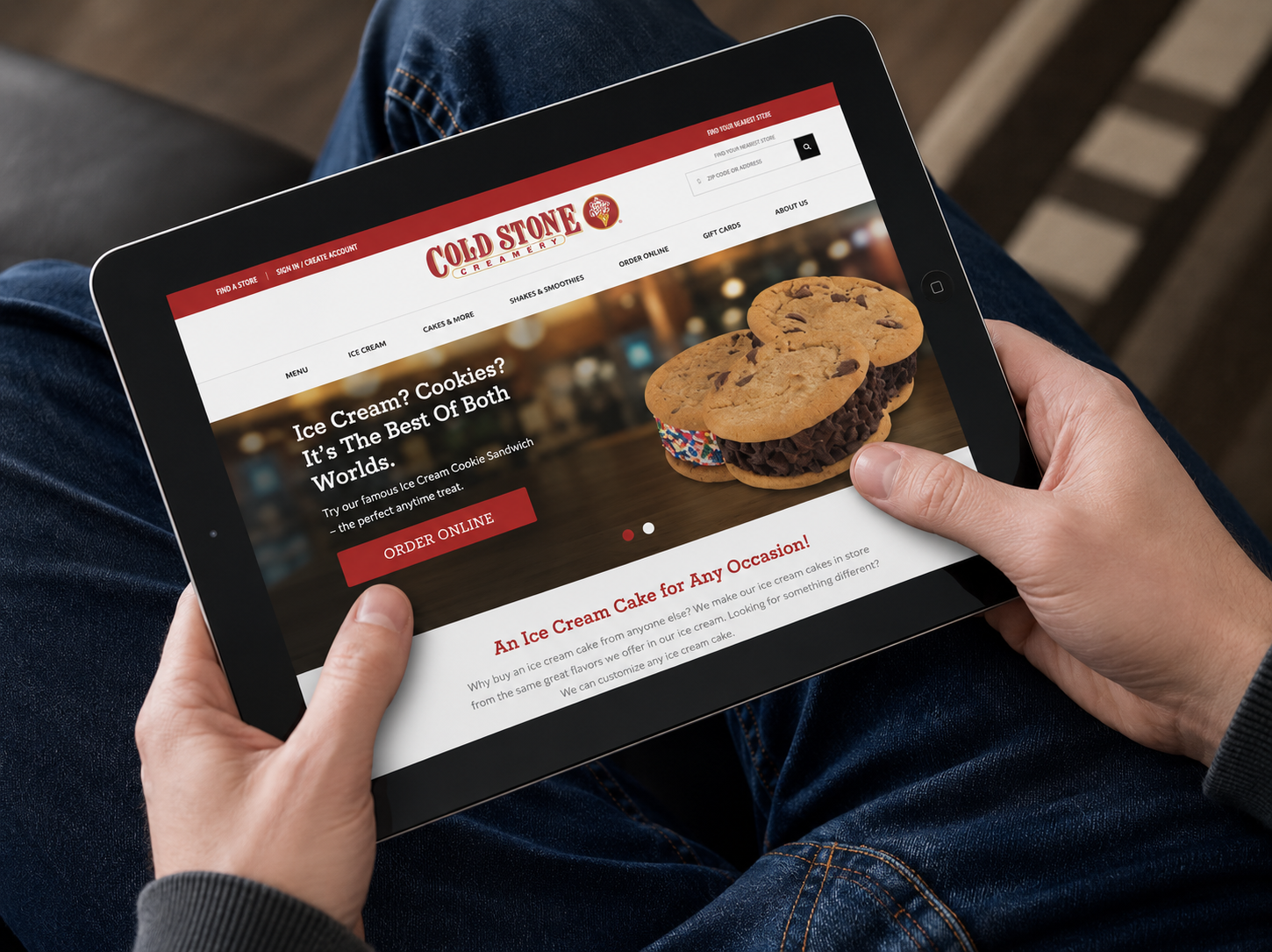
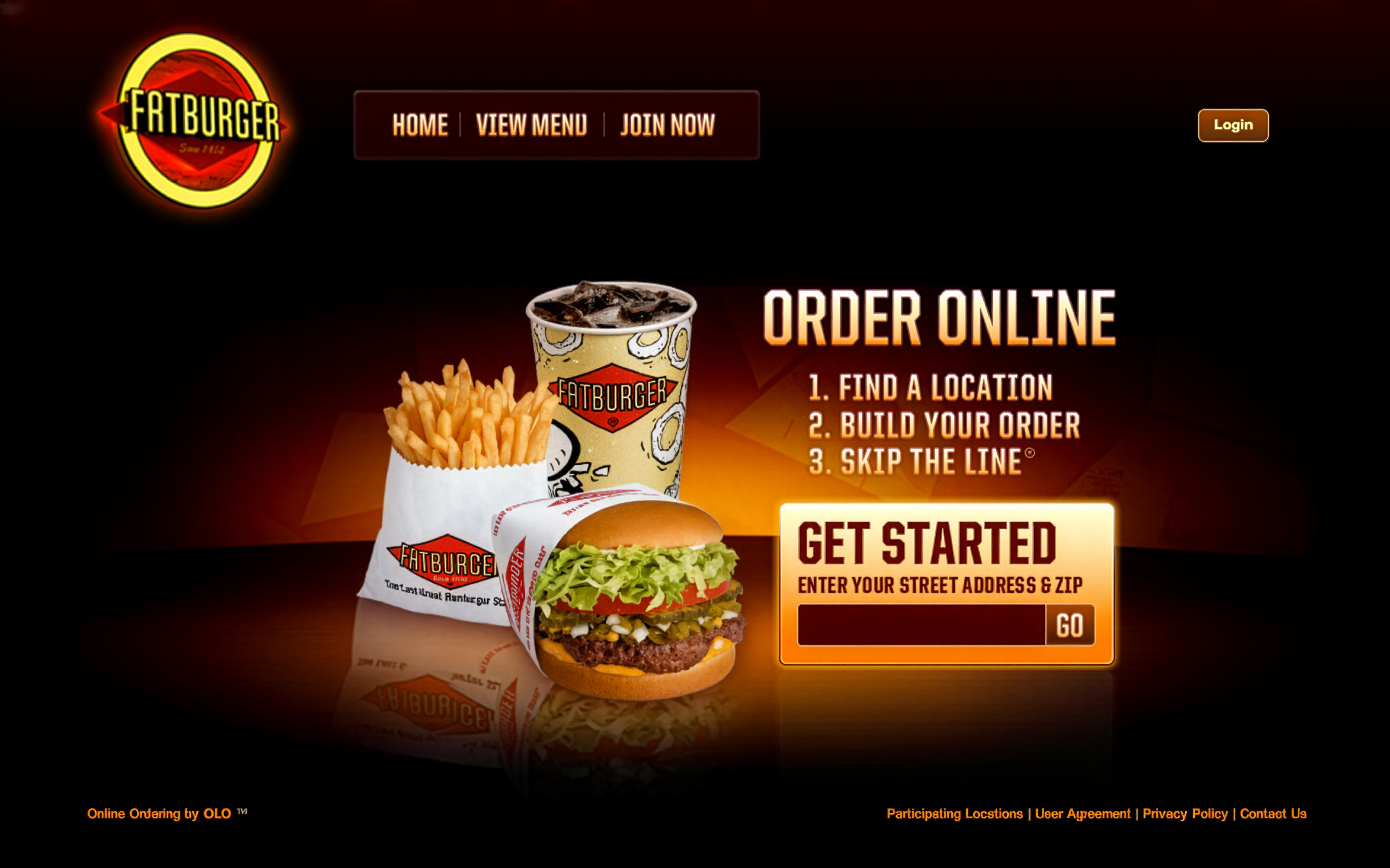
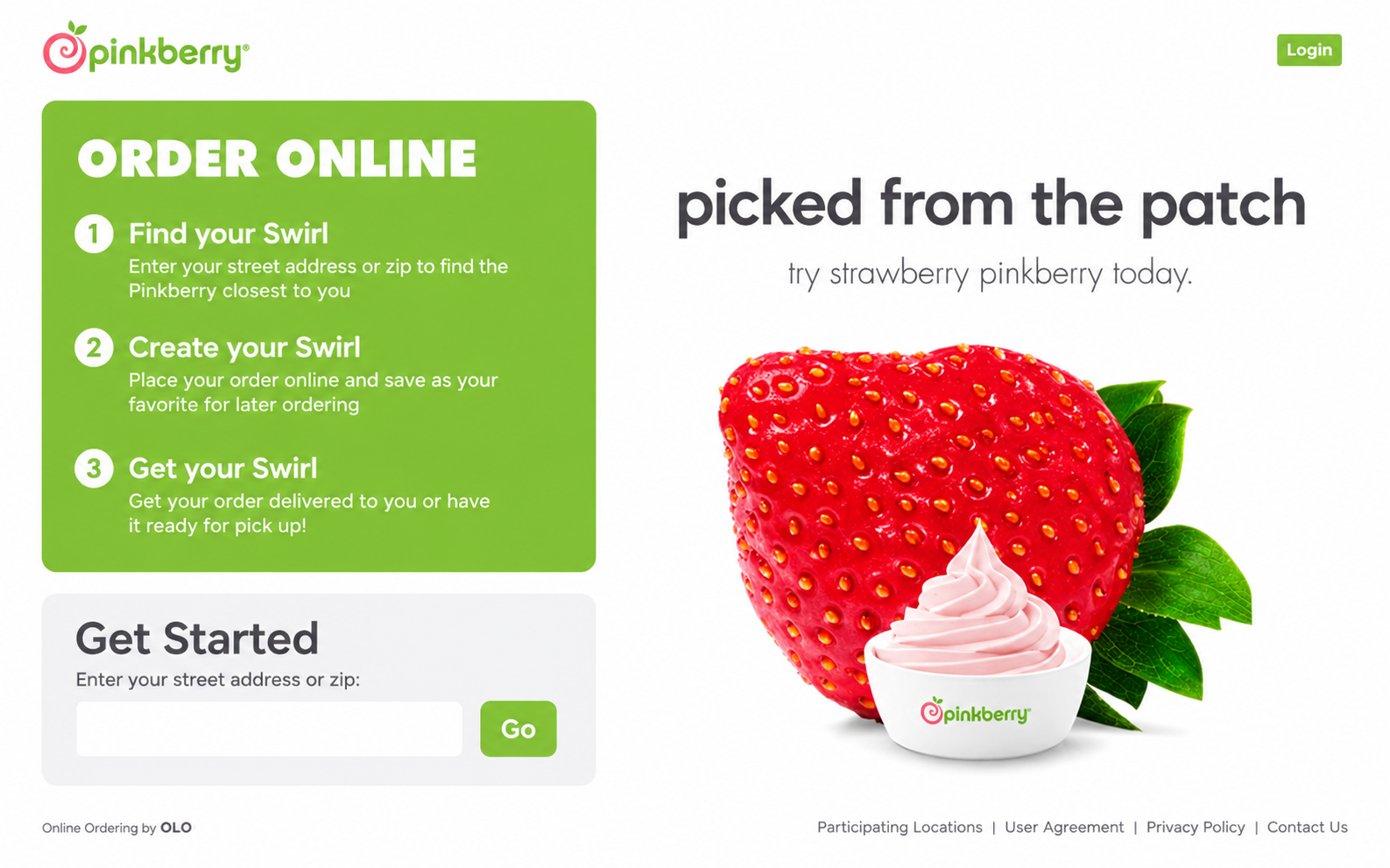
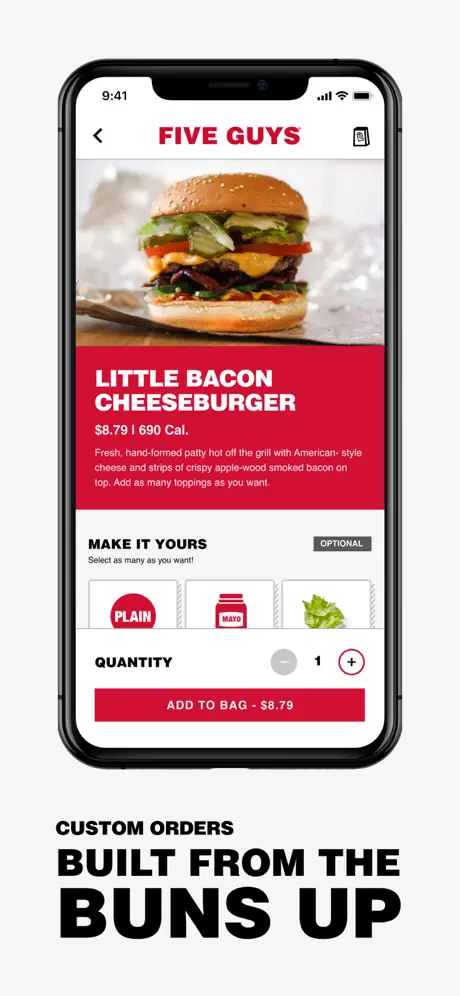
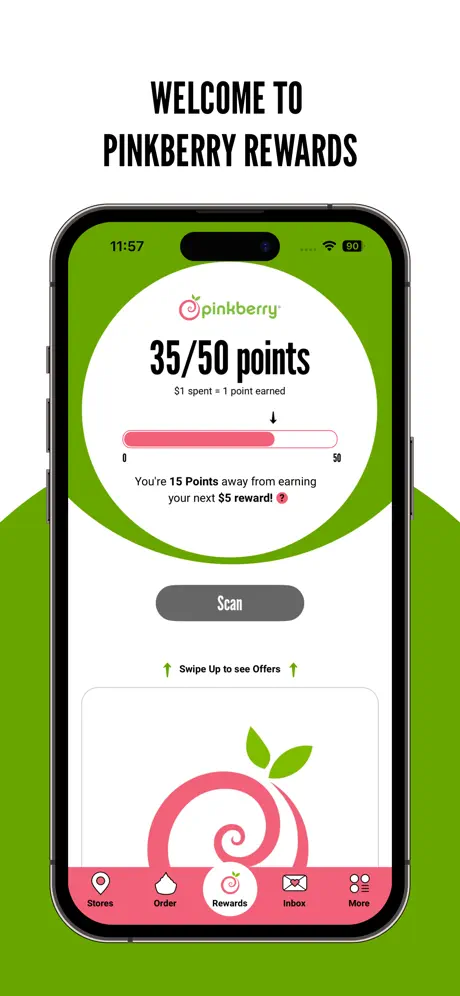
I worked on Olo when ordering food from a phone still felt like a new habit, not an expectation. The work was not just making menus look good on screens; it meant helping restaurants translate real-world ordering, pickup, payment, and operations into digital systems guests could trust. Over five years I owned product design and front-end development for more than 30 quick-service restaurant brand properties, and picked up iOS and Android development tasks as mobile ordering became a bigger part of the product.
The scale of the brand work was unusual. Each QSR had its own visual identity, its own menu complexity, its own edge cases. Building a system that could accommodate that variation without breaking down — and that non-technical teams could manage — was a real design and engineering problem.
On the business side, I was part of the team that helped move the company's capital burn rate to zero. That's not a metric you usually associate with a designer, but at an early-stage company the line between product decisions and financial sustainability is short. Smart prioritization, efficient engineering, and product choices that drove retention all fed into it.
Olo went public on the NYSE in 2021 and was acquired by Thoma Bravo for $2 billion in 2025.
Scope of work.
-
30+ QSR brand properties
Designed and built the consumer-facing ordering experience for over 30 quick-service restaurant brands. Each with its own identity, menu logic, and edge cases — handled through a flexible, scalable design system.
-
Internal tooling
Built reporting and admin tools for ops, sales, and marketing. Gave non-technical teams visibility and control without engineering overhead.
-
Burn rate to zero
Contributed to the product and prioritization decisions that helped move the company's capital burn rate to zero — an early milestone that set up Olo's path to a $2B public exit.